United in Hockey, Driven by Community
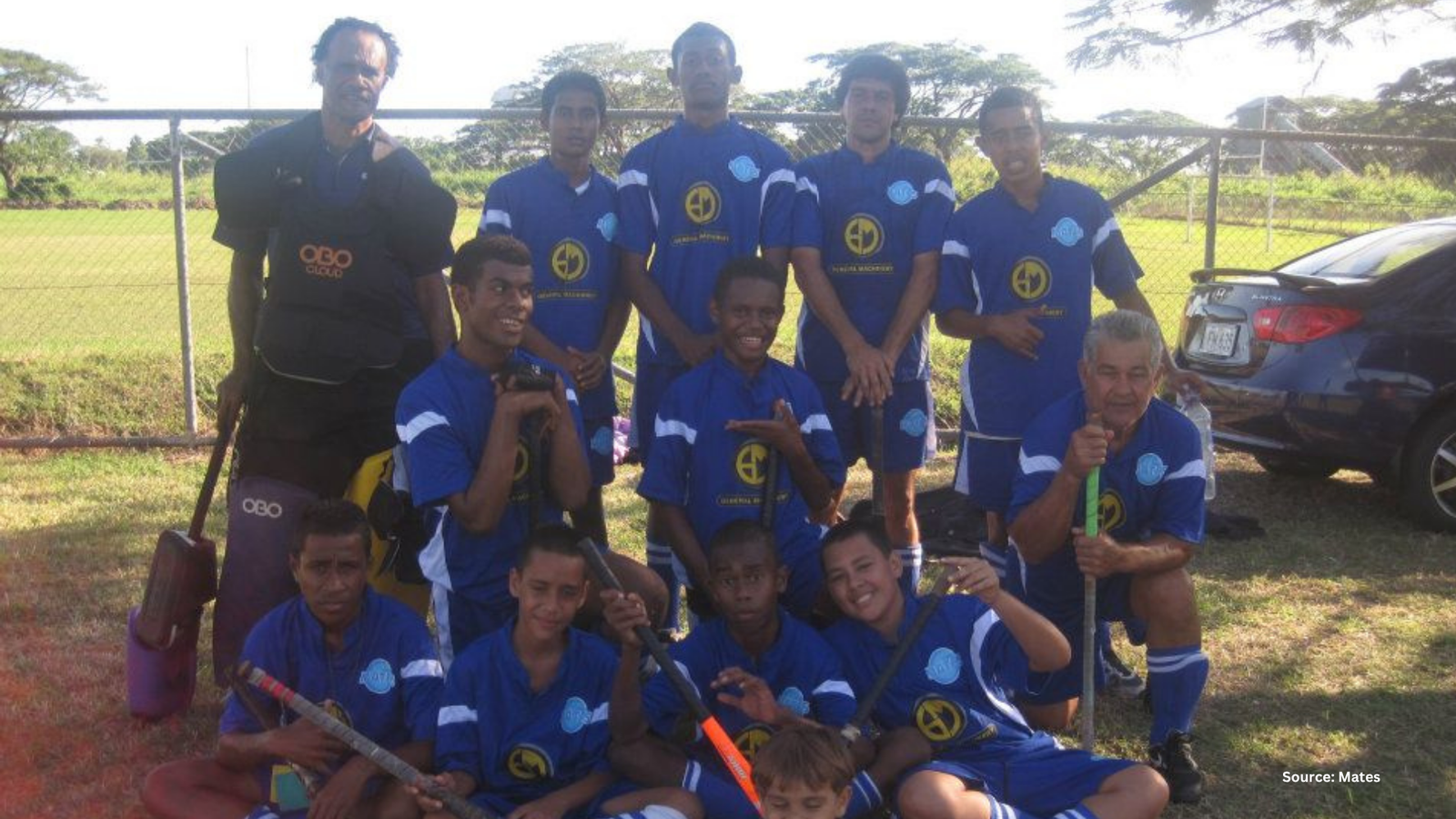 Lautoka Hockey Faces Challenges
 Across the western districts of Nadi, Ba, and Lautoka, players train and compete on grass because there is no artificial turf. The only turf facility in the country is located in Suva, giving teams in the capital a clear advantage in league competitions. Western players often have to adapt quickly when competing on turf — a completely different surface that affects speed, control, and ball movement.
Financial hardship has further deepened the divide. Many district teams operate on limited or no funding, relying heavily on player contributions and community support. Travel, equipment, and tournament expenses are largely self-funded, which has discouraged participation from younger players and families.
An official from the Lautoka Hockey Association, said the situation is becoming dire.
“Hockey is dying in Fiji. The number of players and supporters has dropped over the years, and without proper funding or facilities, it’s hard to attract new talent,” the official said.
The Lautoka Hockey Association continues to appeal for financial assistance from the business community and relevant stakeholders, noting that sustained funding is crucial for training programs, marketing initiatives, and coaching workshops. These are essential to rebuild interest and develop the next generation of players.
Despite the difficulties, dedicated volunteers and players in the western districts still turn up week after week, driven by passion and a desire to keep hockey alive. For many, it is not just a sport — it’s a community tradition they refuse to let fade away.
The hope remains that with the right investment, new turf facilities, and stronger grassroots programs, Fiji hockey can rise again, bringing back the excitement and unity that once made it one of the country’s most loved sports.